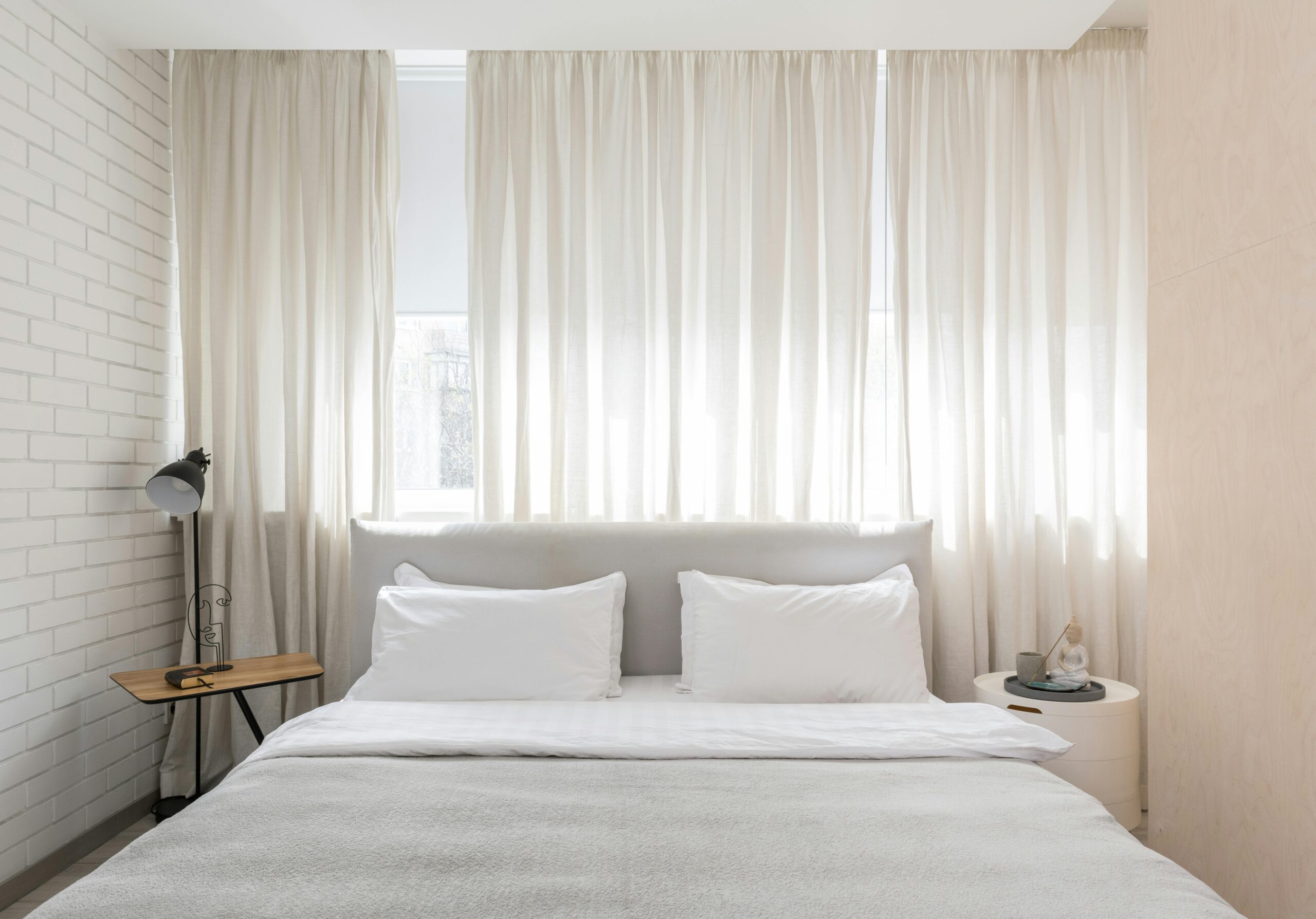

Let’s be honest—most of us in India are not living in those Pinterest-perfect, huge open spaces. Whether it’s a 1BHK in a metro city, a compact bedroom, or a rented setup, space is tight.
But here’s the thing most people don’t realise:
Small rooms don’t look small because of size.
They look small because of bad decisions.
I’ve seen 10×10 rooms look premium and spacious—and I’ve seen bigger rooms feel suffocating.
This guide is not about “buy this product” or “do expensive renovations.” This is about how to think and design smartly so your space feels bigger without burning money.
Let’s get into it.
1. Stop Using Dark Colours Everywhere (Seriously)
Dark colours aren’t the enemy—but using them incorrectly is.
In small Indian homes, especially where natural light is limited, dark walls absorb light. That instantly makes the room feel tighter.
What actually works:
- Off-white
- Warm beige
- Light greys
- Soft pastels
You don’t need to go full hospital-white. Just keep the base light, and you can add darker accents through cushions, frames, or decor.
👉 Rule: Walls light, accents dark = balance
2. Mirrors Are Not Decoration — They’re Tools
People hang mirrors randomly and expect magic. That’s not how it works.
Placement is everything.
If you place a mirror opposite a window, it reflects light and creates depth. That’s how you fake space.
Best placements:
- Opposite window
- Behind a light source
- Near entry of room
Avoid tiny decorative mirrors—they do nothing. Go big or don’t bother.
3. Your Furniture Is Probably Too Big
This is one of the biggest mistakes in Indian homes.
We try to “fit” big furniture into small rooms because:
- “Future use”
- “Guests aayenge”
- “It looked good in showroom”
Result? The room feels cramped 24/7.
What you should do instead:
| Wrong Approach | Smart Approach |
|---|---|
| Heavy wooden bed with thick frame | Low-height or storage bed |
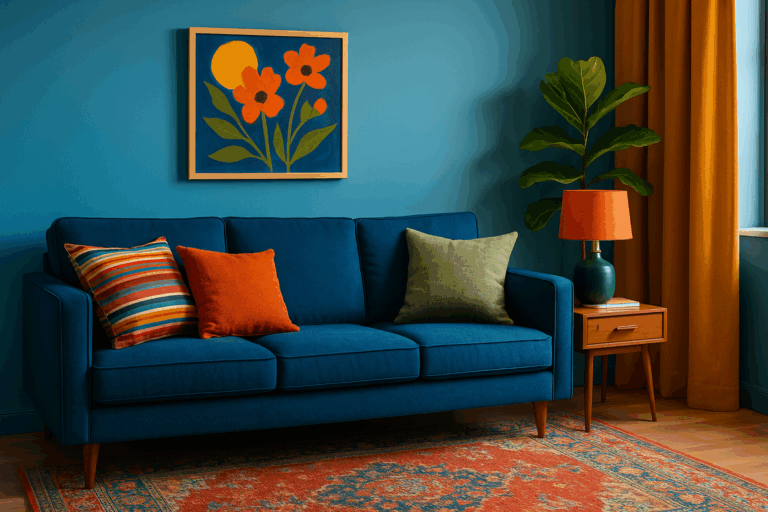
| Bulky sofa | Slim, raised-leg sofa |
| Large center table | Nesting tables or none |
| Massive wardrobes | Sliding door wardrobes |
👉 Raised legs = visible floor = bigger feel
4. Curtains Can Make or Break Your Room
Short curtains are a crime in small rooms.
They cut your wall visually and make ceilings feel lower.
What works:
- Floor-to-ceiling curtains
- Hang curtain rod closer to ceiling (not window frame)
- Use light fabrics (sheer or linen-like)
👉 This alone can make your room feel taller instantly.
5. Decluttering Is Not Optional (It’s Step One)
You can do all the design tricks—but if your room is cluttered, nothing will work.
And I’m not talking about “minimalism for Instagram.” I’m talking about visual breathing space.
Start with this:
- Remove unused items
- Reduce open storage
- Hide wires (big one)
- Keep surfaces clean
👉 If everything is visible, your brain reads it as “less space”
6. Use Vertical Space Like a Pro
Most people only use horizontal space.
Big mistake.
When you use vertical space:
- Your eye moves upward
- The room feels taller
- Floor stays free
Ideas:
- Wall shelves
- Tall bookshelves
- Hanging planters
- Wall-mounted lighting
👉 Think: go up, not out
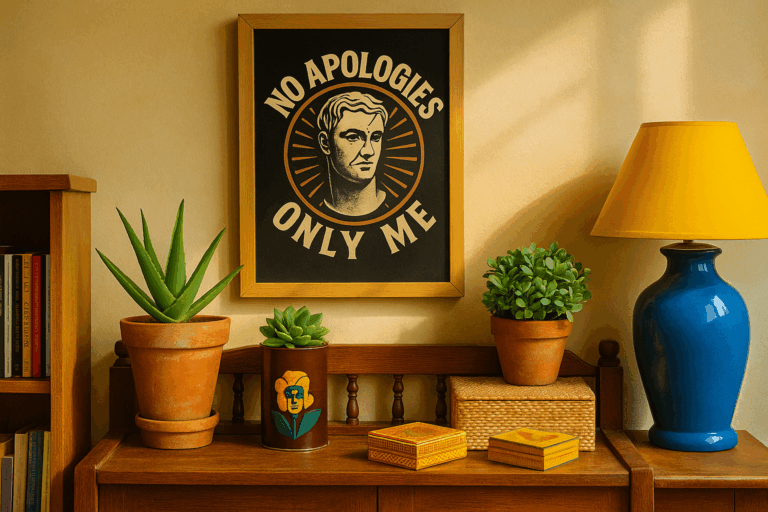
7. One Statement Piece > 10 Small Items
This is where most Indian homes go wrong.
Too many small decor items = visual clutter.
Instead:
- One big wall art
- One bold mirror
- One standout chair
Why this works:
Your eye focuses on one element instead of scanning chaos.
👉 Less items = more impact
8. Lighting Changes Everything
Tube light in the center of the room = flat, boring, and small-looking space.
Layer your lighting instead.
Use combination of:
- Ceiling light
- Table lamp
- Floor lamp
- Warm LED strips
Pro tip: Warm light (yellow tone) makes space feel softer and more open than harsh white light.
9. Rugs Should Be Bigger Than You Think
Most people buy small rugs.
That’s exactly what makes the room look smaller.
Correct approach:
- Rug should go under furniture
- At least front legs of bed/sofa should sit on it
Small rug = chopped space
Big rug = unified space
10. Keep the Floor Visible
This is a subtle but powerful trick.
The more floor you can see, the bigger the room feels.
Avoid:
- Floor clutter
- Heavy furniture touching ground
- Too many items on floor
Go for:
- Raised furniture
- Wall-mounted units
👉 Even a few extra inches of visible floor changes perception.
11. Stick to a Tight Colour Palette
Using too many colours makes a room feel chaotic.
Instead, follow this:
Simple formula:
- 60% base colour (walls)
- 30% secondary (furniture)
- 10% accent
Example:
- Beige walls
- Wooden furniture
- Black or olive accents
👉 Consistency = calm = bigger feel
12. Multi-Functional Furniture Is Underrated
Especially in Indian homes where space is limited.
Look for:
- Bed with storage
- Foldable desk
- Sofa-cum-bed
- Stackable stools
This reduces the number of items you need—which automatically frees space.
Quick Summary (Save This)
| Trick | Impact Level |
|---|---|
| Light wall colours | High |
| Mirrors (correct placement) | High |
| Smaller/slimmer furniture | Very High |
| Floor-to-ceiling curtains | High |
| Decluttering | Very High |
| Vertical storage | Medium |
| Fewer decor items | High |
| Layered lighting | Medium |
| Bigger rugs | Medium |
| Visible floor space | High |
| Limited colour palette | High |
| Multi-functional furniture | Very High |
To sum up
Most small rooms don’t have a space problem. They have a decision problem.
We’ve all done it—bought one extra thing thinking it’ll “complete the look.” Then another. Then something to fill that empty corner. And slowly, the room just starts feeling heavy.
That’s how it happens.
The difference between a cramped room and a clean, breathable one isn’t money or size—it’s what you choose not to keep.
If something doesn’t add value or make the space feel better, it’s just taking up space. Simple as that.
Once you start removing that excess and keeping things intentional, the room changes on its own. No big makeover needed.